Retrospective on the ESTEEC Olympics Hackathon

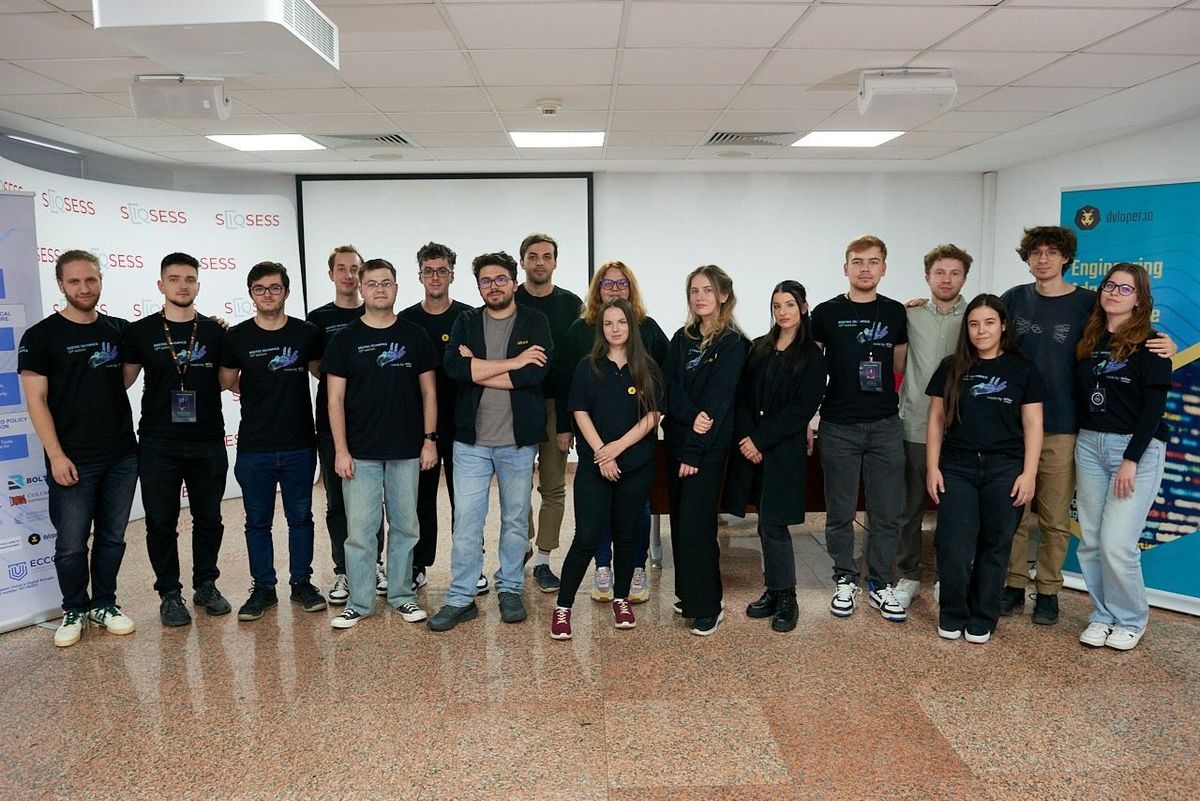
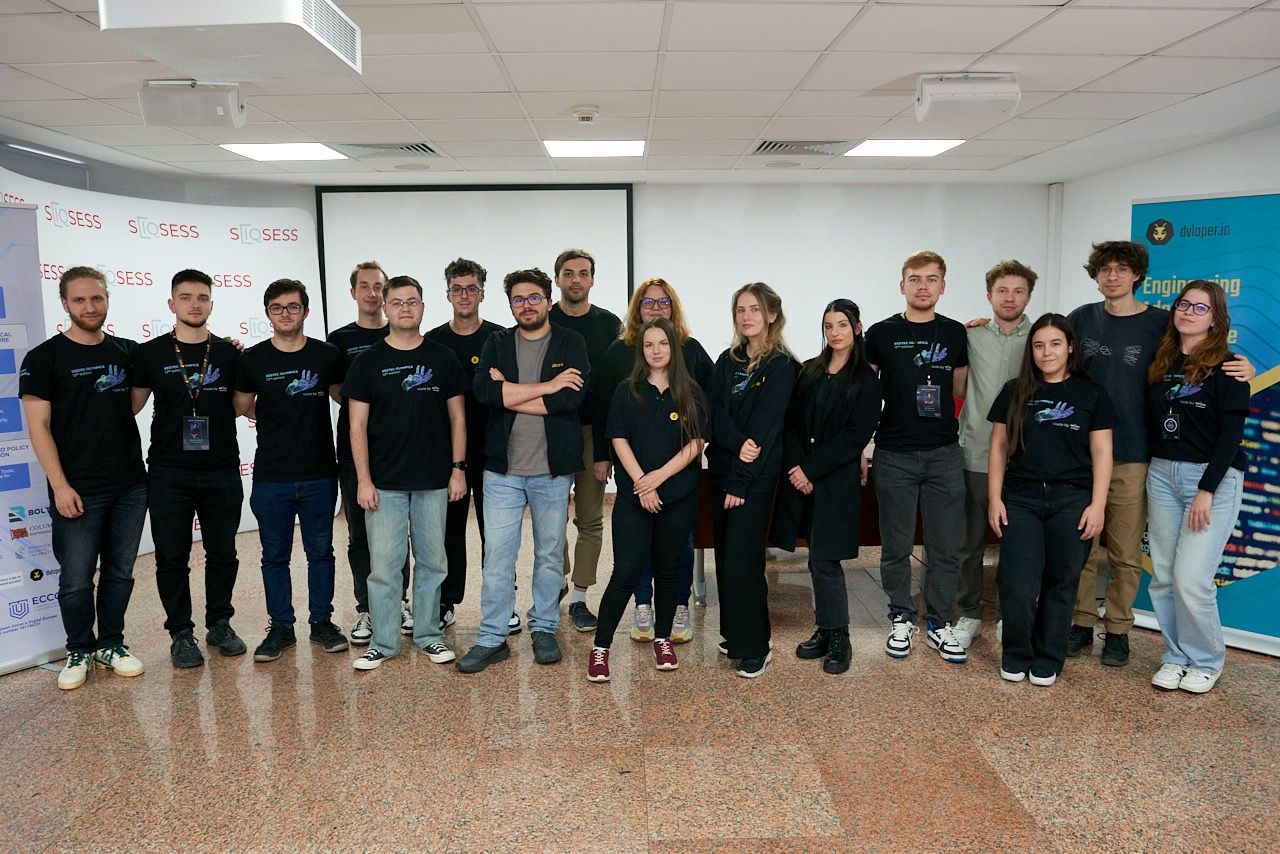
The ESTEEC Olympics Hackathon has officially concluded, and the results were nothing short of impressive.
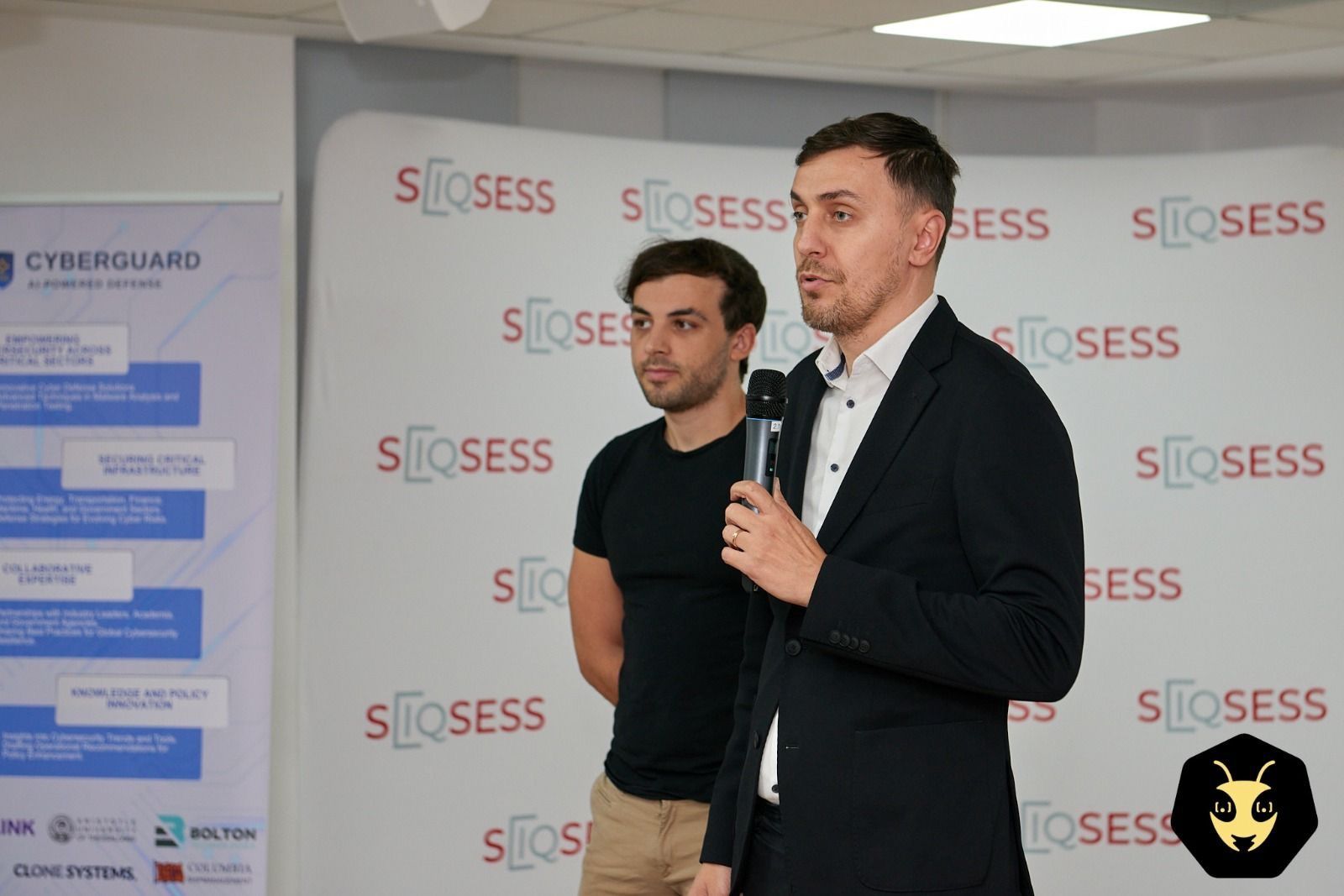
While the energy of a hackathon is often about the "game", this event was rooted in a much larger mission. It served as a promotional platform for the Cyberguard project—a major European initiative where our team holds key development responsibilities.
The Cyberguard Connection
Cyberguard (funded by the European Commission’s Digital Europe Programme) is dedicated to "Fortifying SOCs Against Evolving Cyber Threats." Our day-to-day work in this project involves developing advanced AI-driven technologies to protect critical infrastructure—spanning energy, finance, and healthcare—from sophisticated attacks.
We wanted this hackathon to mirror that level of technical rigor. The goal wasn't just to "spread awareness", but to showcase the intense engineering reality of modern cybersecurity. We challenged participants to step into the shoes of the developers building the next generation of Security Operation Centers (SOCs).
The Challenge: AI/ML SIEM for POS Fraud
We tasked the teams with a highly specific, real-world problem: Building a custom SIEM (Security Information and Event Management) system for Point of Sale (POS) fraud detection.
Participants had to ingest a continuous, high-velocity data stream, analyze it for anomalies, and visualize threats in real-time.
Engineering Under Pressure
To simulate the critical nature of the systems we build at Cyberguard, we introduced strict constraints:
- 30-second live checker: Security is time-sensitive. Once an event hit the stream, teams had exactly 30 seconds to detect the fraud and report it. This forced them to prioritize low-latency architecture over sluggish, heavy processing.
- Real Logic vs. Wrappers: We explicitly banned the "lazy" use of LLMs (simply sending data to a prompt). We demanded genuine algorithmic creativity, hybrid models and custom heuristics that demonstrated true engineering expertise.
From data to decisions
On top of the AI models creation, the hackathon teams delivered on this front with robust dashboards that answered critical business questions instantly:
- What are the top 5 active fraud patterns?
- Which age demographics are being targeted right now?
- How does the current alert volume compare to previous hours?
Summary
This event was a successful extension of our work with Cyberguard. By bringing the complexity of critical infrastructure defense to a hackathon format, we didn't just promote the project—we highlighted the vital importance of integrating AI and machine learning into the fabric of our digital security.
Congratulations to the winners, and thank you for helping us demonstrate what it takes to truly guard the grid.